
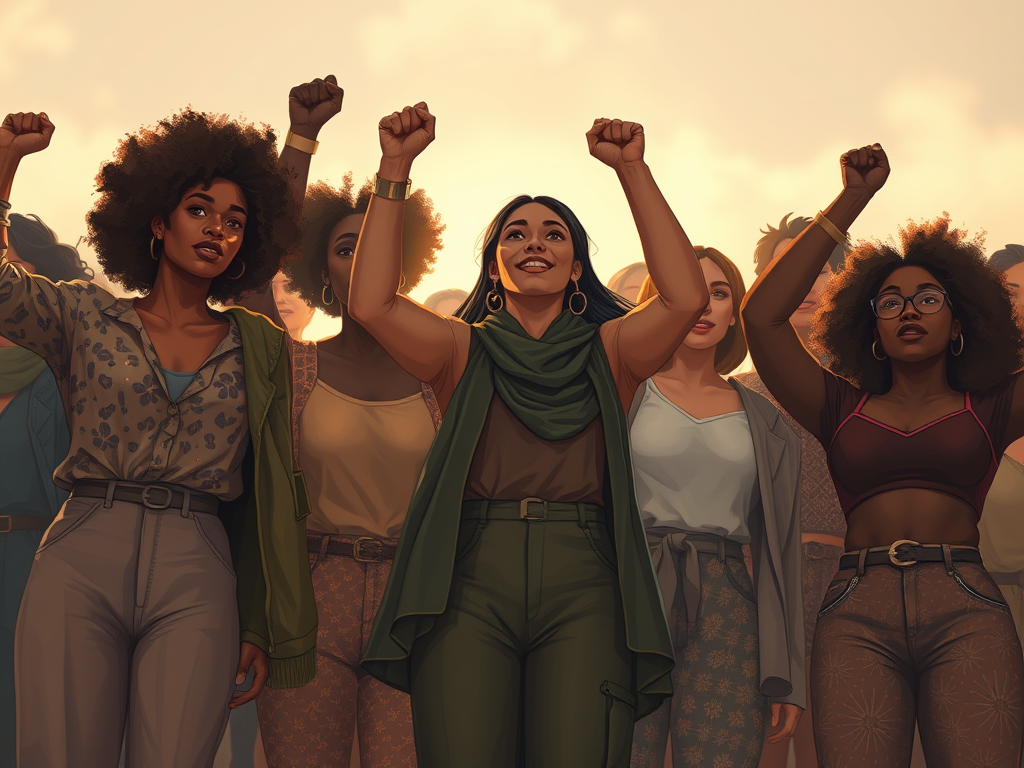
Safety is often talked about as if it’s simple—as if it’s guaranteed. But for many women, safety has never been a given. It is something fought for, bargained with, or painfully absent.
1. The Hidden Cost of Survival
Being overlooked, catcalled, touched without consent, dismissed in workplaces, or expected to work twice as hard to be recognized. These are not just moments. They are weights. Over time, they shape how women move through the world. They make survival feel like labor.
2. The Power of True Safety
When safety is finally experienced, it feels like a breath of air after being underwater. To be seen without needing to overcompensate, to exist without fear or exhaustion—this is more than comfort. It is liberation. And it reveals just how heavy the absence of safety really is.
3. The Fragility of Safe Spaces
Even when found, safety is often temporary. Bias, stigma, and systemic inequities shrink those spaces, reminding us how fragile they can be. For some women, safety is not just rare—it is nonexistent. Their reality underscores how urgent this conversation must be.
4. Why Equity Matters
Equity is not about giving more to some—it’s about removing the barriers that make basic dignity feel like a privilege. Access to safe spaces should never depend on gender, identity, or circumstance. Safety is a human right, not a luxury.
Core Truth:
When safety is treated as a privilege, entire groups of people are left carrying the weight of survival. True healing and justice start when we make safety a standard, not an exception.
— Tawnia Lives