By Tawnia Lives
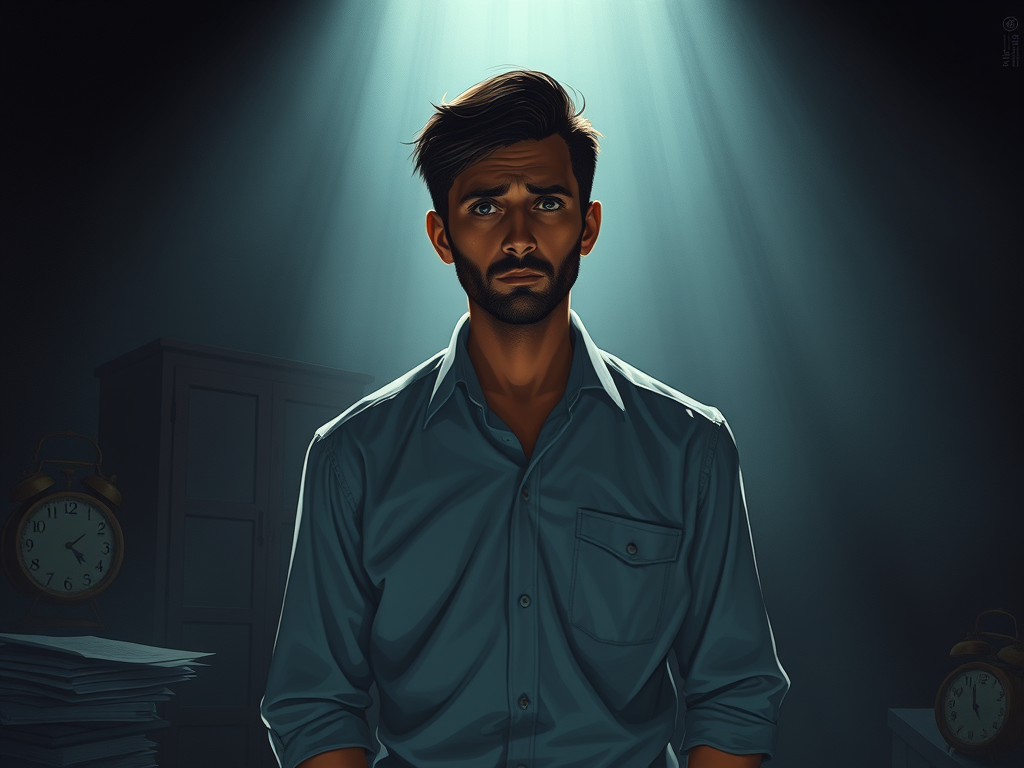
To everyone else, the handler appears calm, capable, level-headed — the one who “can handle anything.”
But inside, the cost is immense.
Constant Hypervigilance
The handler lives in a state of quiet alertness.
Always scanning tone.
Always tracking energy shifts.
Always anticipating the next disruption before it arrives.
Their nervous system never truly rests.
They don’t know peace —
only the temporary pauses between storms.
Emotional Exhaustion Behind a Composed Exterior
On the outside, they look steady.
Inside, they are unraveling.
They have spent so long managing everyone else’s emotions
that they no longer recognize the weight they carry.
The emotional labor they perform is invisible —
even to themselves.
Strength becomes the mask that hides depletion.
Loss of Identity
The handler’s identity forms around someone else’s volatility.
Their role becomes:
anticipate, stabilize, soothe, absorb.
Their own needs feel irrelevant.
Even selfish.
So they bury them until they forget they were ever there.
They learn to disappear in service of someone else’s comfort.
Normalizing Chaos
Instability becomes familiar.
Predictable, even.
The handler learns early that conflict will always come
and that their presence is what keeps things “safe enough.”
Chaos becomes their baseline.
Calm feels suspicious.
Peace feels fake.
This wiring follows them into adulthood.
Becoming the Family’s Emotional Dumping Ground
Everyone vents to the handler.
Everyone leans on the handler.
Everyone trusts the handler to absorb, soothe, and stabilize.
But no one checks on the handler.
Not because they don’t care —
but because the handler has been trained
to need nothing.
Their capacity becomes their isolation.
Why the Handler Learns This Role
The handler role isn’t chosen.
It forms in childhood, long before language.
The child realizes:
- the narcissist cannot regulate themselves
- the household revolves around preventing explosions
- staying small keeps the peace
- soothing others keeps them safe
- conflict is dangerous
- silence is survival
Children become handlers
before they ever understand they are doing it.
The unspoken rule becomes:
“If I can manage their emotions, I can keep everyone safe.”
How the Handler Shows Up in Adulthood
These patterns don’t disappear —
they evolve.
Handlers become adults who:
- take responsibility for everyone’s feelings
- avoid conflict at all costs
- overexplain to prevent misunderstandings
- choose partners they can stabilize
- fawn, fix, and smooth
- never feel like enough
- confuse peace with the absence of someone else’s anger
They don’t know who they are
without the role they were conditioned to perform.
What Healing Looks Like for the Handler
Healing does not begin with strength.
It begins with grief.
Grief for the childhood they didn’t get to have.
Grief for the role they never asked for.
Grief for the self they had to silence.
Only then can the rebuilding begin.
Slowly, gently, they start to:
- recognize their own needs
- feel their actual emotions
- say no without apologizing
- let others be responsible for themselves
- see chaos as a red flag, not a familiar comfort
- realize that peace shouldn’t feel suspicious
- understand that “strong” was a survival part, not a personality
Healing is the moment the handler finally understands:
You were never meant to carry the whole family on your back.
You deserved protection too.
— Tawnia Lives.